A Step-by-Step Guide to Launching a Compliant Product in the EU Market
In today’s increasingly regulated global economy, launching a product in the European Union is about more than just having a great idea. It’s about proving, clearly and consistently, that your product is safe, legal, and aligned with the EU’s stringent standards. For startups and established businesses alike, getting this right is not only a regulatory requirement, it’s the gateway to one of the largest consumer markets in the world.
As we settle into 2026, compliance in the EU has become more complex, and more critical. From digital product transparency to sustainability reporting, the bar continues to rise. If you’re planning to launch a product in Europe, compliance should be front and center, not a last-minute checklist. Companies that treat it that way? They’re setting themselves up for faster entry, smoother customs clearance, and stronger customer loyalty.
So, how exactly do you bring a compliant product to market in the EU? Let’s walk through it step by step.
The 7 Steps of Bringing a Compliant Product to the EU Market
Let’s break down the 7 steps of bringing a compliant product on the EU market.
1
1
Understand What You’re Selling (and How It’s Classified)
Understand What You’re Selling (and How It’s Classified)
Everything begins with proper product classification. Is your item considered an electronic device, a cosmetic, a food-contact product, or a connected smart device? Each category has a different set of directives, safety rules, and labelling requirements. Misclassifying a product can quickly snowball into applying the wrong regulations, something that could stall your launch or even result in enforcement action.
If, for example, you’re selling a wearable fitness tracker, you’ll need to consider not only general product safety but also radio frequency compliance under the RED Directive, cybersecurity under the Cyber Resilience Act, and potentially even data privacy under the GDPR. One product, multiple frameworks – and getting it wrong isn’t an option.
Everything begins with proper product classification. Is your item considered an electronic device, a cosmetic, a food-contact product, or a connected smart device? Each category has a different set of directives, safety rules, and labelling requirements. Misclassifying a product can quickly snowball into applying the wrong regulations, something that could stall your launch or even result in enforcement action.
If, for example, you’re selling a wearable fitness tracker, you’ll need to consider not only general product safety but also radio frequency compliance under the RED Directive, cybersecurity under the Cyber Resilience Act, and potentially even data privacy under the GDPR. One product, multiple frameworks – and getting it wrong isn’t an option.
2
2
Map Out Applicable EU Regulations
Map Out Applicable EU Regulations
Once classification is locked down, it’s time to research which EU regulations apply. Depending on your product, you might be dealing with the CE marking framework, RoHS (Restriction of Hazardous Substances), REACH (Registration, Evaluation, Authorisation and Restriction of Chemicals), Ecodesign (energy efficiency), or the new Digital Product Passport rolling out as part of the EU Green Deal.
Each regulation has its own criteria and documentation needs. Many are evolving in real time. For instance, the new Machinery Regulation, replacing the Machinery Directive, enters into force in 2027, but compliance preparation has already begun across industries. And consumer-facing products now often require detailed environmental impact disclosures, down to packaging materials and recyclability.
In short: compliance is no longer a one-size-fits-all exercise. You need a tailored map for your product and sales territories.
Once classification is locked down, it’s time to research which EU regulations apply. Depending on your product, you might be dealing with the CE marking framework, RoHS (Restriction of Hazardous Substances), REACH (Registration, Evaluation, Authorisation and Restriction of Chemicals), Ecodesign (energy efficiency), or the new Digital Product Passport rolling out as part of the EU Green Deal.
Each regulation has its own criteria and documentation needs. Many are evolving in real time. For instance, the new Machinery Regulation, replacing the Machinery Directive, enters into force in 2027, but compliance preparation has already begun across industries. And consumer-facing products now often require detailed environmental impact disclosures, down to packaging materials and recyclability.
In short: compliance is no longer a one-size-fits-all exercise. You need a tailored map for your product and sales territories.
3
3
Conduct the Right Testing and Risk Assessments
Conduct the Right Testing and Risk Assessments
Testing is a central pillar of compliance. Depending on your product, it may need to be evaluated for electrical safety, electromagnetic compatibility, chemical composition, flammability, or mechanical resilience. Testing must be performed by accredited laboratories, and in some cases, by a Notified Body – a third-party organization authorized by the EU.
Let’s say you’re developing a home appliance. You’d likely need to show compliance with the Low Voltage Directive and EMC Directive, alongside energy efficiency labeling rules. Testing for things like overheating, voltage leakage, or hazardous substances must be documented and traceable. Risk assessments are just as vital, they demonstrate that you’ve proactively identified and mitigated possible hazards.
Skipping or rushing through this stage is one of the most common and costly mistakes businesses make. Thorough testing isn’t a bottleneck -> it’s your ticket to the EU market.
Testing is a central pillar of compliance. Depending on your product, it may need to be evaluated for electrical safety, electromagnetic compatibility, chemical composition, flammability, or mechanical resilience. Testing must be performed by accredited laboratories, and in some cases, by a Notified Body – a third-party organization authorized by the EU.
Let’s say you’re developing a home appliance. You’d likely need to show compliance with the Low Voltage Directive and EMC Directive, alongside energy efficiency labeling rules. Testing for things like overheating, voltage leakage, or hazardous substances must be documented and traceable. Risk assessments are just as vital, they demonstrate that you’ve proactively identified and mitigated possible hazards.
Skipping or rushing through this stage is one of the most common and costly mistakes businesses make. Thorough testing isn’t a bottleneck -> it’s your ticket to the EU market.
4
4
Preparing Technical Documentation and the Declaration of Conformity
Preparing Technical Documentation and the Declaration of Conformity
Behind every CE-marked product is a complete technical file. This file serves as proof that your product meets all applicable requirements, and it must be available to EU authorities upon request.
The technical documentation typically includes a full product description, test results, schematics or design drawings, risk assessments, material safety data, and the names of any standards applied. At the heart of this file is the EU Declaration of Conformity (DoC), a legal document in which the manufacturer affirms that the product meets all relevant legislation.
Missing or incomplete documentation can halt your shipments at the border, and repeated non-compliance can even result in a Europe-wide sales ban. Treat this file as a living, breathing compliance record that evolves as your product does.
Behind every CE-marked product is a complete technical file. This file serves as proof that your product meets all applicable requirements, and it must be available to EU authorities upon request.
The technical documentation typically includes a full product description, test results, schematics or design drawings, risk assessments, material safety data, and the names of any standards applied. At the heart of this file is the EU Declaration of Conformity (DoC), a legal document in which the manufacturer affirms that the product meets all relevant legislation.
Missing or incomplete documentation can halt your shipments at the border, and repeated non-compliance can even result in a Europe-wide sales ban. Treat this file as a living, breathing compliance record that evolves as your product does.
5
5
Ensuring Packaging and Labelling Are Up to Standard
Ensuring Packaging and Labelling Are Up to Standard
Your product might be safe, but if the packaging doesn’t clearly and accurately reflect that, it won’t get far. The EU has strict rules for labelling, covering everything from safety warnings and age suitability to country of origin, CE markings, recycling symbols, and manufacturer contact details.
Languages matter, too. Labels and instructions must be translated into the official language(s) of the country where the product is sold. Selling a children’s toy in France? The warnings and instructions better be in French.
One often overlooked detail: traceability. The EU requires that products carry information that allows for identification of the product type and its manufacturer or importer – particularly important in the case of recalls or safety alerts.
Your product might be safe, but if the packaging doesn’t clearly and accurately reflect that, it won’t get far. The EU has strict rules for labelling, covering everything from safety warnings and age suitability to country of origin, CE markings, recycling symbols, and manufacturer contact details.
Languages matter, too. Labels and instructions must be translated into the official language(s) of the country where the product is sold. Selling a children’s toy in France? The warnings and instructions better be in French.
One often overlooked detail: traceability. The EU requires that products carry information that allows for identification of the product type and its manufacturer or importer – particularly important in the case of recalls or safety alerts.
6
6
Designate an EU Responsible Person (for Non-EU Manufacturers)
Designate an EU Responsible Person (for Non-EU Manufacturers)
If you’re based outside the European Union, you’ll need an official representative within the EU – commonly referred to as the “EU Responsible Person” or “Authorized Representative”. This entity acts as the point of contact for regulatory authorities and holds your technical documentation on EU soil.
Without one, your product is technically not compliant, even if everything else is in order. Your EU Responsible Person must be clearly named on product labels, and they play a critical role in managing communication during audits or investigations.
If you’re based outside the European Union, you’ll need an official representative within the EU – commonly referred to as the “EU Responsible Person” or “Authorized Representative”. This entity acts as the point of contact for regulatory authorities and holds your technical documentation on EU soil.
Without one, your product is technically not compliant, even if everything else is in order. Your EU Responsible Person must be clearly named on product labels, and they play a critical role in managing communication during audits or investigations.
7
7
Keep Records and Stay Vigilant
Keep Records and Stay Vigilant
Product compliance doesn’t end once your goods clear customs. EU authorities can, and do, conduct post-market surveillance. If your product is found to be non-compliant months after launch, you could be required to issue recalls, update labels, or even halt sales entirely.
That’s why smart companies treat compliance as an ongoing process. Keep your technical files updated, monitor regulation changes, and implement systems to respond quickly if something goes wrong. Regular internal audits, supplier checks, and product re-testing are best practices that can save your reputation down the road.
Product compliance doesn’t end once your goods clear customs. EU authorities can, and do, conduct post-market surveillance. If your product is found to be non-compliant months after launch, you could be required to issue recalls, update labels, or even halt sales entirely.
That’s why smart companies treat compliance as an ongoing process. Keep your technical files updated, monitor regulation changes, and implement systems to respond quickly if something goes wrong. Regular internal audits, supplier checks, and product re-testing are best practices that can save your reputation down the road.
Why Compliance is a Launch Accelerator, Not a Roadblock.
It’s easy to think of EU product compliance as a set of hurdles, but in reality, it’s a launchpad. Products that meet all EU requirements face fewer delays at customs, earn quicker approvals from retailers, and receive more favorable treatment in online marketplaces.
Even more importantly, they win consumer trust. European buyers are among the most quality-conscious in the world. If your product is safe, well-documented, and transparently sourced, you’re already ahead of much of the competition.
Some of the fastest-growing brands in Europe today are the ones that built compliance into their design and sourcing process from day one. They didn’t wait until the product was ready to start thinking about the rules, they designed with the rules in mind.
Ready to Launch?
Bringing a compliant product to market in the EU is a rigorous but rewarding journey. With proper planning, testing, documentation, and partner support, you can move through the process with confidence, and get your product into one of the world’s most lucrative markets faster.
Still navigating the EU regulatory maze? That’s where we can help. With deep experience guiding companies through CE marking, REACH, RoHS, and more, we provide hands-on support to ensure your launch is not just smooth, but sustainable.
👉 Interested in working together?
Let’s make your EU launch a success – compliant, confident, and ready for growth.
info@compliancesafeguard.com
Read more!
What is Product Compliance? Why it Matters More Than Ever in 2026
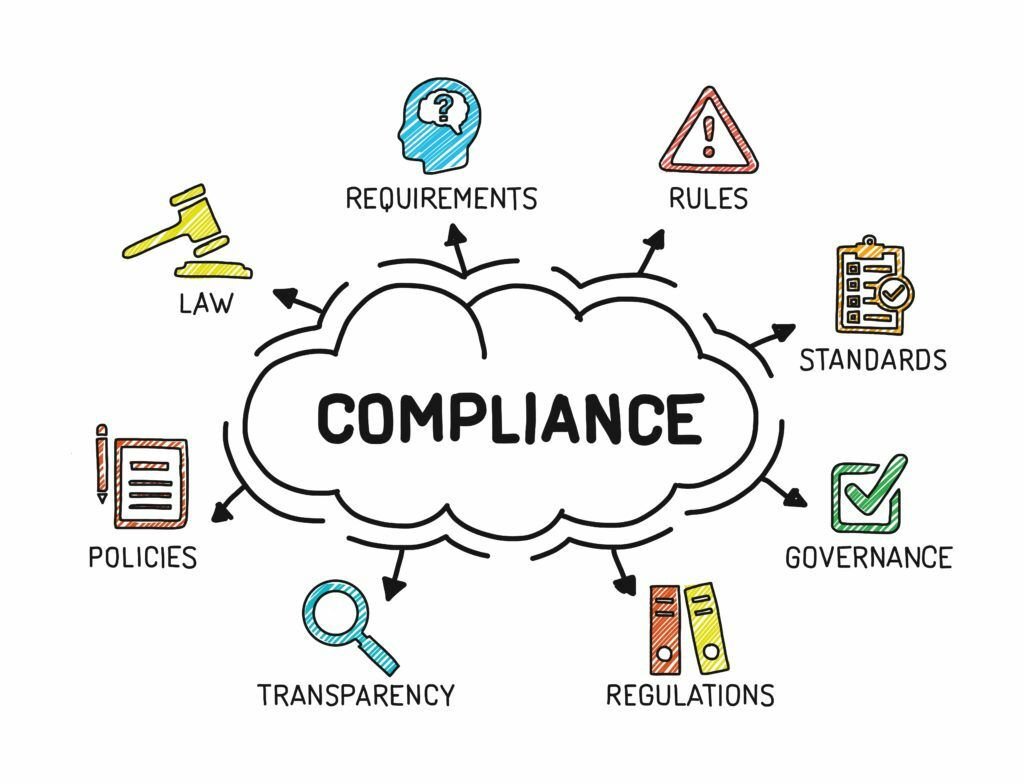
A clear, practical guide to what product compliance means and why it matters more than ever in 2026. This article explains key product compliance requirements, including regulations, testing, labelling, documentation, and market access. Helping businesses reduce risk, build trust, and stay competitive in a rapidly evolving regulatory landscape.
The Hidden Cost of Non-Compliance: Real-Life Case Studies
A practical look at the hidden costs of product non-compliance in the EU, illustrated through real-life case studies. This article explores how failures in CE marking, testing, documentation, labelling, and post-market surveillance can lead to recalls, fines, reputational damage, and lost market access.