What is Product Compliance? Why it Matters More Than Ever in 2026
In today’s fast-changing global market, product compliance is no longer a behind-the-scenes task, it’s a business-critical priority. Whether you’re selling phone accessories on Amazon, manufacturing medical equipment, or launching a new skincare brand, the need to prove your product is safe, legal, and responsible has never been more important.
As we move into 2026, product compliance isn’t just about following the rules, it’s about gaining market access, building consumer trust, and future-proofing your brand. Failing to meet compliance standards can lead to fines, product recalls, or even permanent bans from certain markets. But those who treat compliance as a core part of their strategy? They’re not just surviving, they’re thriving.
So, what exactly is product compliance, and why does it matter so much now?
“If you think compliance is expensive – try non-compliance”
– Former U.S. Deputy Attorney General Paul McNulty
Understanding Product Compliance
Product compliance refers to the process of ensuring that a product meets all the legal, regulatory, and safety standards required by the countries or regions where it is sold. These rules are set by government agencies, international organizations, and industry bodies, and they apply to everything from electronics and cosmetics to food packaging and toys.
Let’s say you’re manufacturing a Bluetooth speaker for sale in both the United States and Europe. In this case, your product must comply with a range of laws: FCC rules for radio frequency emissions in the U.S., CE marking requirements in Europe, RoHS for hazardous substances, battery safety regulations, and proper labelling in multiple languages. A single misstep, such as incorrect labeling or a missing safety warning, could delay your shipments or trigger a recall.
In other words, compliance is the passport that allows your product to legally and safely enter the market. It tells authorities, consumers, and retailers that your product is not only functional but also safe, environmentally conscious, and responsibly produced.
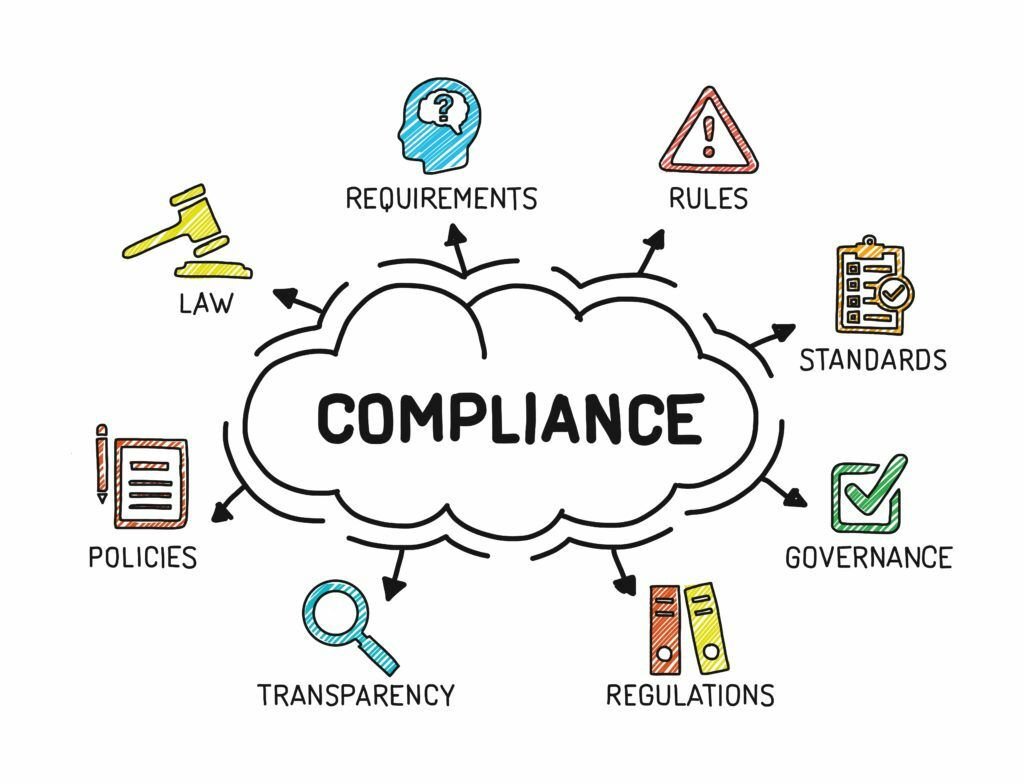
Expanding Global Regulations
Governments around the world are strengthening regulations across industries. In the European Union, for instance, the introduction of the Digital Product Passport will soon require manufacturers to provide detailed digital records about a product’s materials, sustainability, and lifecycle. Meanwhile, California’s Prop 65 continues to update its list of chemicals that must be disclosed on consumer product labels. These aren’t isolated changes – they’re part of a global movement toward greater transparency and accountability.
Consumer Expectations are Rising
Modern consumers care deeply about what’s in their products and where those products come from. They want to know if a shampoo is free from harmful chemicals, if a toy is safe for their child, or if a pair of shoes was made in an ethical supply chain. Compliance isn’t just about avoiding penalties, it’s about winning customer trust and loyalty.
One example: In 2023, a popular children’s smartwatch brand was hit with a major backlash when German regulators found its devices failed to comply with data security laws. The company was forced to recall thousands of units and issue public apologies. Since then, European regulators have taken a tougher stance on all connected products, adding cybersecurity to the list of essential compliance concerns in 2026.
Supply Chain Complexity and Accountability
As supply chains become more global, companies are being held accountable not just for their own products, but for the entire lifecycle, from sourcing to disposal. New laws such as the EU’s Corporate Sustainability Due Diligence Directive (CSDDD) require companies to actively monitor the environmental and social impacts of their suppliers. That means if your overseas supplier violates labor laws or uses restricted materials, your business could be held responsible.

The Real Risk of Non-Compliance
Ignoring compliance doesn’t just mean you might get a fine. The consequences can be far more damaging, both financially and reputationally. Non-compliance may result in:
Seizure at customs, delaying products delivery for weeks or months.
Product recalls that not only cost millions in logistics but also erode consumer trust.
Legal action, such as lawsuits from customers or penalties from regulatory agencies.
Market bans, where your product is barred from being sold in certain regions.
Brand damage that takes years to repair – if it can be repaired at all.
A real-world example comes from the beauty industry. In 2022, a fast-growing skincare brand was pulled from European shelves after an audit found its ingredient lists were incomplete and failed to meet EU Cosmetics Regulation standards. The company had to reformulate products, redesign packaging, and re-test several SKUs, costing them nearly a year in lost sales and reputation.
What Product Compliance Involves
Let’s break down the key components of a strong product compliance process. While the details may vary by industry, these areas are universally important:
1
1
Classification of your product
Classification of your product
Before anything else, you need to determine what type of product you are offering. Is it an electronic device, a cosmetic, a medical tool, or something else? Each classification has its own specific standards. Misclassifying your product can lead to applying the wrong rules—and that’s one of the fastest paths to non-compliance.
Before anything else, you need to determine what type of product you are offering. Is it an electronic device, a cosmetic, a medical tool, or something else? Each classification has its own specific standards. Misclassifying your product can lead to applying the wrong rules—and that’s one of the fastest paths to non-compliance.
2
2
Regulatory Research
Regulatory Research
Once your product is correctly classified, you need to identify the specific laws that apply in each target market. For example, if you’re selling to the European Union, you’ll need to consider REACH, RoHS, CLP, and potentially WEEE, depending on your product. In the U.S., you might be subject to FDA, FCC, or TSCA regulations. Research must be updated regularly, as these laws frequently change.
Once your product is correctly classified, you need to identify the specific laws that apply in each target market. For example, if you’re selling to the European Union, you’ll need to consider REACH, RoHS, CLP, and potentially WEEE, depending on your product. In the U.S., you might be subject to FDA, FCC, or TSCA regulations. Research must be updated regularly, as these laws frequently change.
3
3
Product Testing and Certification
Product Testing and Certification
Many products must be independently tested to verify compliance. This testing might include electrical safety (like IEC 62368-1), chemical safety (to ensure banned substances like lead or mercury aren’t present), or radio frequency testing (to satisfy FCC or RED Directive requirements). Once testing is complete, you may receive certificates or approvals that are essential for entering the market.
Many products must be independently tested to verify compliance. This testing might include electrical safety (like IEC 62368-1), chemical safety (to ensure banned substances like lead or mercury aren’t present), or radio frequency testing (to satisfy FCC or RED Directive requirements). Once testing is complete, you may receive certificates or approvals that are essential for entering the market.
4
4
Labelling and Packaging Requirements
Labelling and Packaging Requirements
Labels must be more than visually appealing—they need to communicate specific legal information. That might include safety warnings, usage instructions, manufacturer details, hazard symbols, or country of origin. Incorrect or missing information here is one of the most common compliance failures, often flagged at customs inspections.
Let’s look at a simple example: If you’re selling a children’s toy in the EU, it must include a CE marking, an age warning if the toy isn’t suitable for under-threes, and safety instructions in the local language. A missing warning or English-only label could be enough for customs to reject the shipment.
Labels must be more than visually appealing—they need to communicate specific legal information. That might include safety warnings, usage instructions, manufacturer details, hazard symbols, or country of origin. Incorrect or missing information here is one of the most common compliance failures, often flagged at customs inspections.
Let’s look at a simple example: If you’re selling a children’s toy in the EU, it must include a CE marking, an age warning if the toy isn’t suitable for under-threes, and safety instructions in the local language. A missing warning or English-only label could be enough for customs to reject the shipment.
5
5
Documentation and Technical Files
Documentation and Technical Files
Behind every compliant product is a trail of documentation proving that safety and performance standards have been met. This includes a Declaration of Conformity, test reports, risk assessments, Safety Data Sheets (SDS), and detailed records of design specifications. These documents must be kept on file, often for several years, and provided on request to regulators.
Behind every compliant product is a trail of documentation proving that safety and performance standards have been met. This includes a Declaration of Conformity, test reports, risk assessments, Safety Data Sheets (SDS), and detailed records of design specifications. These documents must be kept on file, often for several years, and provided on request to regulators.
How to Build a Strong Compliance Process
Managing compliance doesn’t have to be overwhelming, if you approach it methodically. Here’s how smart companies are doing it in 2026:
Start by integrating compliance into your product design and development phase, not as an afterthought. When engineers and designers understand what rules apply from the beginning, it’s easier to choose compliant materials, plan for testing, and avoid surprises down the road.
Next, establish a compliance matrix tailored to your product. This is a living document that maps out all the regulations, required markings, documents, and certifications across your sales regions. It acts as a checklist and guide for your internal teams.
Many businesses also work with third-party experts, such as testing labs, notified bodies, and compliance consultants, to fill in gaps and provide up-to-date guidance. In complex cases, a specialist can prevent costly mistakes before your product reaches production.
Finally, train your team. Everyone from procurement to marketing should have a basic understanding of compliance. When everyone is aligned, you reduce the risk of accidental errors and improve overall efficiency.
Compliance as a Competitive Advantage
There’s a myth that compliance just slows companies down, but the opposite is often true. Businesses that invest in compliance gain several competitive benefits.
They move faster into new markets, because their documentation is ready and their products are certified. They face fewer delays at customs and fewer surprises during inspections. Most importantly, they earn the trust of customers, investors, and regulators.
Conclusion: Turn Compliance into a Competitive Edge
In 2026 and beyond, product compliance is no longer optional, it’s a strategic, ongoing commitment that touches every corner of your business, from product design and sourcing to packaging, marketing, and distribution. As regulations become more complex and consumers demand more transparency, only the companies that embed compliance into their DNA will stay competitive in the global market.
The good news? With the right mindset, tools, and support, compliance doesn’t have to be a burden – it can become a powerful business advantage.
Still, navigating EU regulations can feel overwhelming. That’s where expert guidance can make all the difference. With years of hands-on experience helping brands bring safe, compliant products to the European market, I offer tailored consultancy services designed to simplify the process, avoid costly mistakes, and get you to market faster.
Whether you’re launching a new product, expanding into Europe, or tightening up your documentation, I can help you move forward with confidence.
👉 Interested in working together?
Let’s talk about how we can turn your compliance strategy into a true competitive advantage.
info@compliancesafeguard.com
Still, navigating EU regulations can feel overwhelming. That’s where expert guidance can make all the difference. With years of hands-on experience helping brands bring safe, compliant products to the European market, I offer tailored consultancy services designed to simplify the process, avoid costly mistakes, and get you to market faster.
Whether you’re launching a new product, expanding into Europe, or tightening up your documentation, I can help you move forward with confidence.
👉 Interested in working together?
Let’s talk about how we can turn your compliance strategy into a true competitive advantage.
info@compliancesafeguard.com
Read more!
A Step-by-Step Guide to Launch a Compliant Product in the EU Market
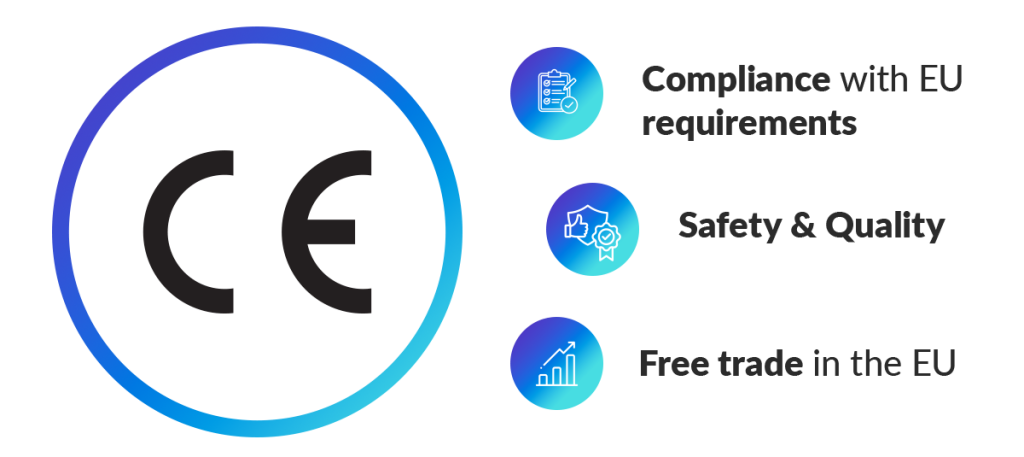
A practical, step-by-step guide to launching a compliant product in the EU. This article walks through product classification, applicable regulations, testing, documentation, and labelling requirements, helping you avoid common pitfalls and bring your product to market with confidence.
The Hidden Cost of Non-Compliance: Real-Life Case Studies
A practical look at the hidden costs of product non-compliance in the EU, illustrated through real-life case studies. This article explores how failures in CE marking, testing, documentation, labelling, and post-market surveillance can lead to recalls, fines, reputational damage, and lost market access.