PCN 101: How to Navigate the Poison Centre Notification Process in Europe
(Step-by-step guide to complying with the Poison Centre Notification requirements)
Accidental chemical exposures, whether through ingestion, inhalation, or skin contact, can have serious health consequences. In such emergencies, healthcare professionals need quick access to accurate product composition and hazard data to provide appropriate medical treatment.
This is where the Poison Centre Notification (PCN) plays a crucial role. The PCN process ensures that poison control centers across Europe have up-to-date and standardized information about hazardous chemical products. This allows for faster and more effective medical responses, helping to prevent severe health impacts and even fatalities.
Who needs to comply with PCN?
If your company manufactures, imports, or distributes hazardous chemical mixtures in the European Economic Area (EEA), it is your legal responsibility to comply with PCN requirements. This applies to:
- Manufacturers – Companies producing chemical mixtures within the EU.
- Importers – Businesses bringing chemical products into the EU from non-EU countries.
- Distributors – Entities supplying chemical mixtures, even if they don’t manufacture them.
- Downstream Users – Companies that modify existing chemical mixtures or create new ones (such as mixing detergents or adding colorants).
Failure to comply with PCN regulations can result in market restrictions, product recalls, or legal penalties.
If you’re unsure whether your product requires a PCN submission, we can help assess your obligations and ensure a smooth compliance process.
Which products require a PCN submission?
The PCN obligation applies to hazardous mixtures, not individual substances. If a mixture falls under the CLP Regulation (EC No. 1272/2008) and is classified as hazardous based on health or physical effects, a Poison Centre Notification is mandatory before the product can be placed on the market.
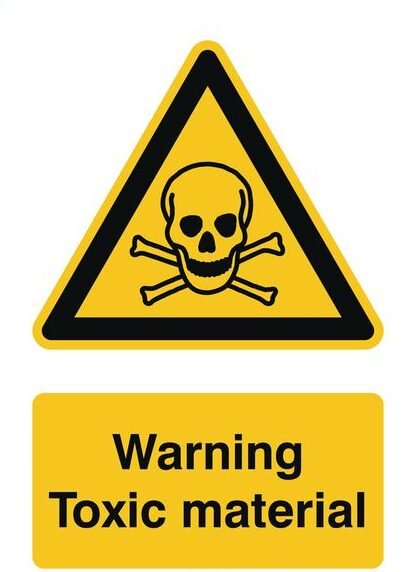
Some examples of products that typically require PCN submission include:
– Household cleaning agents (detergents, disinfectants, bleaches)
– Paints, coatings, and adhesives
– Automotive fluids (antifreeze, lubricants, fuel additives)
– Pesticides and biocides
– Industrial and professional-use chemicals
– Home fragrance products:
– Scented candles & wax melts – If they contain hazardous fragrance oils, solvents, or additives that may pose a risk during handling or combustion.
– Aromatic diffusers & essential oil blends – Especially those with flammable, irritating, or sensitizing components requiring proper labeling and notification.
– Car fresheners (sprays, hanging cards, gel diffusers) – Many contain volatile organic compounds (VOCs) or allergenic substances that trigger PCN obligations.
However, not all products are subject to PCN requirements. Exemptions include:
1
Non-hazardous mixtures
If a mixture does not meet hazardous classification criteria under CLP, notification is not required.
2
Medicinal products
Regulated separately under EU pharmaceutical laws.
3
Cosmetic products
Governed by EU Cosmetic Regulation (EC No. 1223/2009), not the CLP regulation.
4
Food and beverages
Covered under separate food safety laws.
5
Medical devices
Subject to EU Medical Device Regulation (MDR 2017/745).
If you are unsure whether your product requires PCN submission, consulting a compliance expert can help clarify your obligations.
The Poison Centre Notification (PCN) Process
PCN is a legal requirement under the EU Classification, Labelling, and Packaging (CLP) Regulation (EC No. 1272/2008), which aligns with the Globally Harmonized System (GHS). The goal is to create a centralized system for notifying poison centers across EU member states, allowing emergency responders to quickly access safety data during chemical exposure incidents.
To comply with PCN requirements, follow this step-by-step guide:
1
Gather the required information
Gather the required information
A PCN submission must include the following critical information:
A PCN submission must include the following critical information:
1. Product Identification
1. Product Identification
-
-
-
-
-
- The trade name of the chemical mixture
- Unique Formula Identifier (UFI) (a 16-character alphanumeric code that links the product to its notification)
- The intended use (consumer, professional, or industrial)
-
-
-
-
-
-
- The trade name of the chemical mixture
- Unique Formula Identifier (UFI) (a 16-character alphanumeric code that links the product to its notification)
- The intended use (consumer, professional, or industrial)
-
2. Chemical Composition
2. Chemical Composition
-
-
-
-
-
- The full formulation details, including the concentration of all hazardous components
- The CAS numbers, EC numbers, or other chemical identifiers
- Concentration ranges for confidential components
-
-
-
-
-
-
- The full formulation details, including the concentration of all hazardous components
- The CAS numbers, EC numbers, or other chemical identifiers
- Concentration ranges for confidential components
-
3. Hazard Classification – Misclassification can result in non-compliance penalties.
3. Hazard Classification – Misclassification can result in non-compliance penalties.
-
-
-
-
-
- The CLP classification (toxic, flammable, corrosive, etc.)
- The applicable hazard statements (H-phrases)
- Precautionary statements (P-phrases)
-
-
-
-
-
-
- The CLP classification (toxic, flammable, corrosive, etc.)
- The applicable hazard statements (H-phrases)
- Precautionary statements (P-phrases)
-
4. Product Packaging and Labelling
4. Product Packaging and Labelling
-
-
-
-
-
- Safety instructions and first aid measures
- Hazard pictograms
- Signal words (e.g., “Danger” or “Warning”)
-
-
-
-
-
-
- Safety instructions and first aid measures
- Hazard pictograms
- Signal words (e.g., “Danger” or “Warning”)
-
5. Toxicological Information
5. Toxicological Information
-
-
-
-
-
- Possible exposure routes (ingestion, inhalation, skin contact)
- Symptoms of overexposure
- Recommended emergency treatment options
-
-
-
-
-
-
- Possible exposure routes (ingestion, inhalation, skin contact)
- Symptoms of overexposure
- Recommended emergency treatment options
-
6. Administrative and Emergency Contact Details
6. Administrative and Emergency Contact Details
-
-
-
-
-
- Manufacturer/importer name and address
- Contact details of the entity responsible for compliance
- A 24/7 emergency phone number (if applicable)
-
-
-
-
-
-
- Manufacturer/importer name and address
- Contact details of the entity responsible for compliance
- A 24/7 emergency phone number (if applicable)
-
2
Classify the Mixture Under CLP
Classify the Mixture Under CLP
Before submitting a Poison Centre Notification (PCN), you must classify your chemical mixture according to the Classification, Labelling, and Packaging (CLP) Regulation (EC No. 1272/2008).
What is CLP Classification?
CLP classification determines the hazards associated with a chemical mixture, ensuring that products are labeled correctly and that users—including consumers, professionals, and industrial workers—are aware of potential risks.
The classification process involves assessing physical hazards, health hazards, and environmental hazards.
Incorrect classification can result in non-compliance penalties, product recalls, and increased liability in the event of an accident.
Before submitting a Poison Centre Notification (PCN), you must classify your chemical mixture according to the Classification, Labelling, and Packaging (CLP) Regulation (EC No. 1272/2008).
What is CLP Classification?
CLP classification determines the hazards associated with a chemical mixture, ensuring that products are labeled correctly and that users—including consumers, professionals, and industrial workers—are aware of potential risks.
The classification process involves assessing physical hazards, health hazards, and environmental hazards.
Incorrect classification can result in non-compliance penalties, product recalls, and increased liability in the event of an accident.
3
Register with the European Poison Centre Notification Portal
Register with the European Poison Centre Notification Portal
To begin the submission process, you must register with the European Poison Centre Notification Portal, which is managed by ECHA. You have to create an account on the ECHA website. When registering your company you have to provide details such as your EU establishment address and contact information.
To begin the submission process, you must register with the European Poison Centre Notification Portal, which is managed by ECHA. You have to create an account on the ECHA website. When registering your company you have to provide details such as your EU establishment address and contact information.
4
Submit the PCN to the Portal
Submit the PCN to the Portal
PCN submissions are made through the ECHA Submission Portal, a digital platform managed by the European Chemicals Agency (ECHA). Companies must submit notifications in a standardized XML format using ECHA’s IUCLID software.
There are two primary ways to submit a PCN notification:
1. Online Submission via the ECHA Portal – Suitable for businesses managing a limited number of products.
2. System-to-System (S2S) Integration – Recommended for large companies handling numerous mixtures, as it allows bulk submissions via an API connection.
After submission, a Unique Formula Identifier (UFI) is generated and must be displayed on the product label for easy identification in case of emergency.
PCN submissions are made through the ECHA Submission Portal, a digital platform managed by the European Chemicals Agency (ECHA). Companies must submit notifications in a standardized XML format using ECHA’s IUCLID software.
There are two primary ways to submit a PCN notification:
1. Online Submission via the ECHA Portal – Suitable for businesses managing a limited number of products.
2. System-to-System (S2S) Integration – Recommended for large companies handling numerous mixtures, as it allows bulk submissions via an API connection.
After submission, a Unique Formula Identifier (UFI) is generated and must be displayed on the product label for easy identification in case of emergency.
5
Receive and Store the PCN Submission Confirmation
Receive and Store the PCN Submission Confirmation
After submitting the PCN, you will receive a confirmation receipt from ECHA, which includes your notification number and a confirmation that your submission is successfully processed. Keep records of this confirmation for compliance checks and future references.
After submitting the PCN, you will receive a confirmation receipt from ECHA, which includes your notification number and a confirmation that your submission is successfully processed. Keep records of this confirmation for compliance checks and future references.
6
Monitor and Update your Notification Regularly
Monitor and Update your Notification Regularly
Once a Poison Centre Notification (PCN) has been submitted, maintaining compliance is an ongoing responsibility that requires regular monitoring and updates. If any changes occur in the chemical composition of a product, such as the introduction of a new ingredient, the removal of an existing component, or an adjustment in concentration levels, the notification must be updated to reflect these modifications. Similarly, if new scientific research or regulatory updates lead to a reclassification of the product’s hazard profile, such as a previously unclassified mixture now being identified as flammable or toxic, this information must be revised accordingly. Additionally, if advancements in toxicology or medical treatment result in updated first-aid recommendations, companies must promptly amend their submissions to ensure that healthcare professionals have the most current and effective emergency response guidance.
To stay informed about regulatory changes, businesses should regularly monitor official sources such as the European Chemicals Agency (ECHA) website, the CLP Regulation updates, and national poison center announcements. Subscribing to industry newsletters, attending compliance webinars, and participating in regulatory workshops can also help keep companies updated on evolving legal requirements. Additionally, joining industry associations or working with a regulatory consultant can provide early insights into upcoming changes and best practices for compliance. Internal compliance monitoring systems should be in place to track and document all modifications to product formulations, ensuring that updates are processed in a timely manner.
Failing to maintain accurate and up-to-date PCN records can lead to serious consequences, including legal penalties, product recalls, and market restrictions. Regulatory authorities conduct periodic checks to ensure compliance, and discrepancies between the submitted notification and the actual product formulation can result in significant fines or removal of the product from the market. To avoid these risks, businesses should schedule regular audits, implement automated tracking tools, and assign responsibility for ongoing regulatory compliance. Keeping PCN information accurate is not only a legal obligation but also a critical step in ensuring consumer safety and maintaining trust with both customers and regulatory bodies.
Once a Poison Centre Notification (PCN) has been submitted, maintaining compliance is an ongoing responsibility that requires regular monitoring and updates. If any changes occur in the chemical composition of a product, such as the introduction of a new ingredient, the removal of an existing component, or an adjustment in concentration levels, the notification must be updated to reflect these modifications. Similarly, if new scientific research or regulatory updates lead to a reclassification of the product’s hazard profile, such as a previously unclassified mixture now being identified as flammable or toxic, this information must be revised accordingly. Additionally, if advancements in toxicology or medical treatment result in updated first-aid recommendations, companies must promptly amend their submissions to ensure that healthcare professionals have the most current and effective emergency response guidance.
To stay informed about regulatory changes, businesses should regularly monitor official sources such as the European Chemicals Agency (ECHA) website, the CLP Regulation updates, and national poison center announcements. Subscribing to industry newsletters, attending compliance webinars, and participating in regulatory workshops can also help keep companies updated on evolving legal requirements. Additionally, joining industry associations or working with a regulatory consultant can provide early insights into upcoming changes and best practices for compliance. Internal compliance monitoring systems should be in place to track and document all modifications to product formulations, ensuring that updates are processed in a timely manner.
Failing to maintain accurate and up-to-date PCN records can lead to serious consequences, including legal penalties, product recalls, and market restrictions. Regulatory authorities conduct periodic checks to ensure compliance, and discrepancies between the submitted notification and the actual product formulation can result in significant fines or removal of the product from the market. To avoid these risks, businesses should schedule regular audits, implement automated tracking tools, and assign responsibility for ongoing regulatory compliance. Keeping PCN information accurate is not only a legal obligation but also a critical step in ensuring consumer safety and maintaining trust with both customers and regulatory bodies.
7
Understand the Notification Deadlines
Understand the Notification Deadlines
The January 1, 2021 deadline marked a significant regulatory milestone for businesses dealing with hazardous chemical mixtures in the European Economic Area (EEA). Any product already on the market before this date was required to have a Poison Centre Notification (PCN) submitted by the deadline, ensuring that poison control centers had access to critical safety information. For companies launching new hazardous mixtures, compliance obligations begin before the product reaches the market, meaning that manufacturers, importers, and distributors must complete the PCN submission process in advance to avoid regulatory issues, fines, or delays in product distribution.
The January 1, 2021 deadline marked a significant regulatory milestone for businesses dealing with hazardous chemical mixtures in the European Economic Area (EEA). Any product already on the market before this date was required to have a Poison Centre Notification (PCN) submitted by the deadline, ensuring that poison control centers had access to critical safety information. For companies launching new hazardous mixtures, compliance obligations begin before the product reaches the market, meaning that manufacturers, importers, and distributors must complete the PCN submission process in advance to avoid regulatory issues, fines, or delays in product distribution.
Final Thoughts: Prioritizing Compliance for Safety and Market Access.
Ensuring PCN compliance is not just a legal obligation, it is a critical measure to protect human health and safety. By submitting accurate and up-to-date notifications, companies play a vital role in enabling poison control centers to respond effectively to chemical exposure incidents.
However, navigating regulatory requirements, labeling rules, and notification procedures can be complex and time-consuming. This is where compliance professionals can make a real difference. While product classification must be done by a qualified expert, I can ensure your PCN notification is correctly submitted, verify that your labels meet EU compliance standards, and check whether your Material Safety Data Sheet (MSDS) is fully compliant with EU regulations. If you need a fully compliant MSDS, I can also facilitate the process by working with trusted partners who specialize in classification and SDS preparation.
To maintain compliance, businesses must continuously monitor regulatory updates, review product formulations, and promptly update their notifications. Investing in a proactive compliance strategy not only prevents legal risks but also strengthens consumer trust and business reputation in a heavily regulated industry.
If you’re looking for support with PCN notification, label compliance, or MSDS verification, we can help. Our expertise ensures that your business remains compliant, avoiding delays and regulatory risks while allowing you to focus on your core operations.
By following best practices in PCN compliance, and partnering with a knowledgeable compliance expert, your company can ensure that its products meet safety standards, remain legally marketable, and contribute to a safer environment for consumers and professionals alike.
👉 Interested in working together?
Get in touch today to ensure your products meet all regulatory requirements seamlessly.
info@compliancesafeguard.com
Read more!
CLP vs. GHS: Key Differences and What They Mean for Your Business
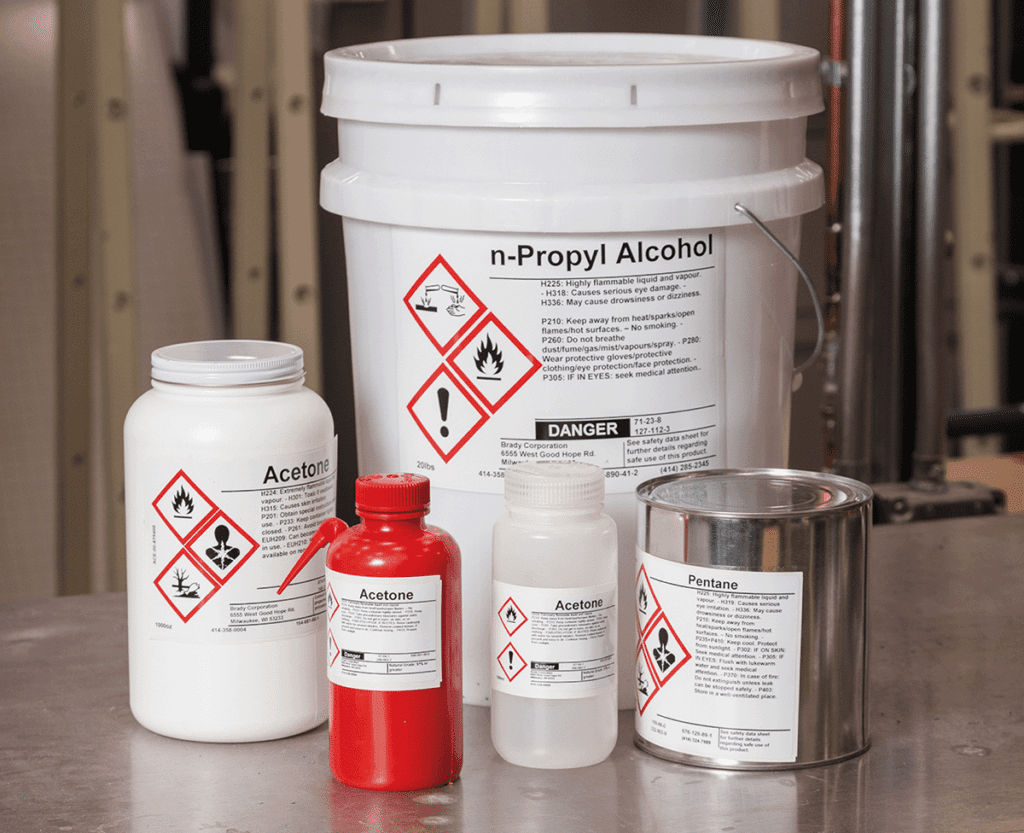
CLP vs GHS explained: Understand the key differences between the EU CLP Regulation and the Globally Harmonized System. Learn what they mean for your chemical product compliance in 2026.
Understanding CLP: A Complete Guide to Product Classification, Labelling, and Packaging
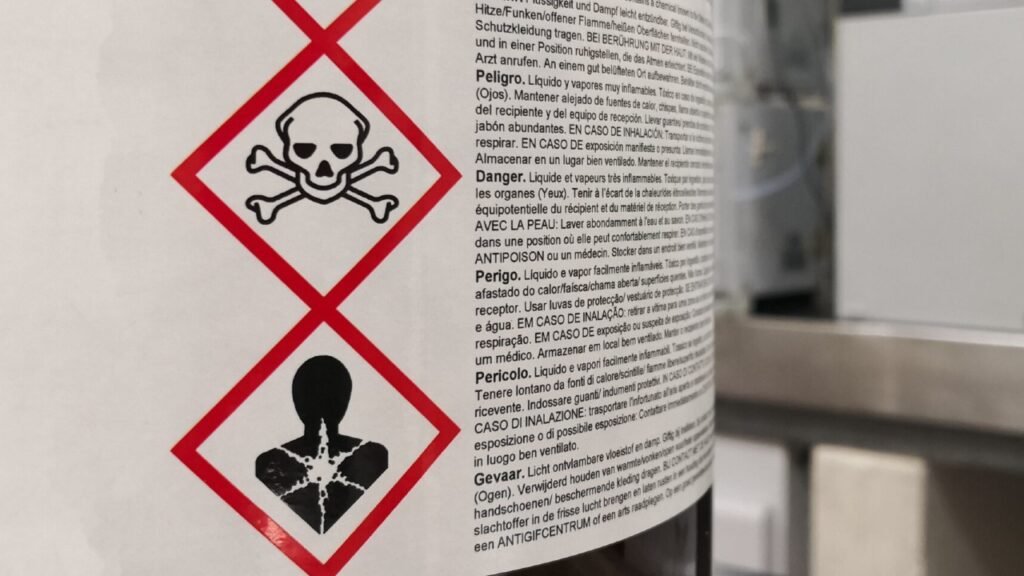
Learn everything about CLP compliance in the EU: a complete guide to chemical product classification, labeling, and packaging. Ensure safety, avoid penalties, and stay market-ready.