Understanding CLP: A Complete Guide to Product Classification, Labelling, and Packaging
(Overview of CLP regulations, how to classify products, and apply right labels)
The Classification, Labelling, and Packaging (CLP) Regulation is a cornerstone of chemical safety legislation in the European Union. Introduced under Regulation (EC) No. 1272/2008, CLP aligns the EU’s chemical hazard communication standards with the Globally Harmonized System (GHS). The goal? A consistent, transparent approach to identifying hazardous substances, designing appropriate warning labels, and ensuring safe packaging practices.
For businesses involved in manufacturing, importing, or distributing chemical products, CLP compliance isn’t just about ticking a regulatory box, it’s about safety, reputation, and access to the EU market. Failure to comply can result in fines, product recalls, or even damage to your brand. This guide offers a comprehensive look at CLP and outlines practical steps to help your business stay compliant and confident.
What is CLP and Why Does It Matter?
CLP provides the legal framework for hazard classification and communication within the EU’s chemical industry. Its core mission is simple but crucial: to ensure hazardous substances and mixtures are properly identified, and that clear risk information is communicated to workers, consumers, and emergency responders.
Take, for example, a company manufacturing industrial cleaners. These products may contain substances that can cause severe skin irritation or respiratory issues if used improperly. Without clear hazard communication, users may unknowingly handle these substances unsafely. By following CLP regulations, the company classifies the product correctly, uses appropriate warning labels, and packages it securely, safeguarding both users and the business itself.
CLP applies to any chemical substance or mixture placed on the EU market. Businesses must assess hazards methodically. This classification then determines which labels are required, such as hazard pictograms, signal words, and precautionary statements, and influences packaging decisions to support safe handling, storage, and transport.
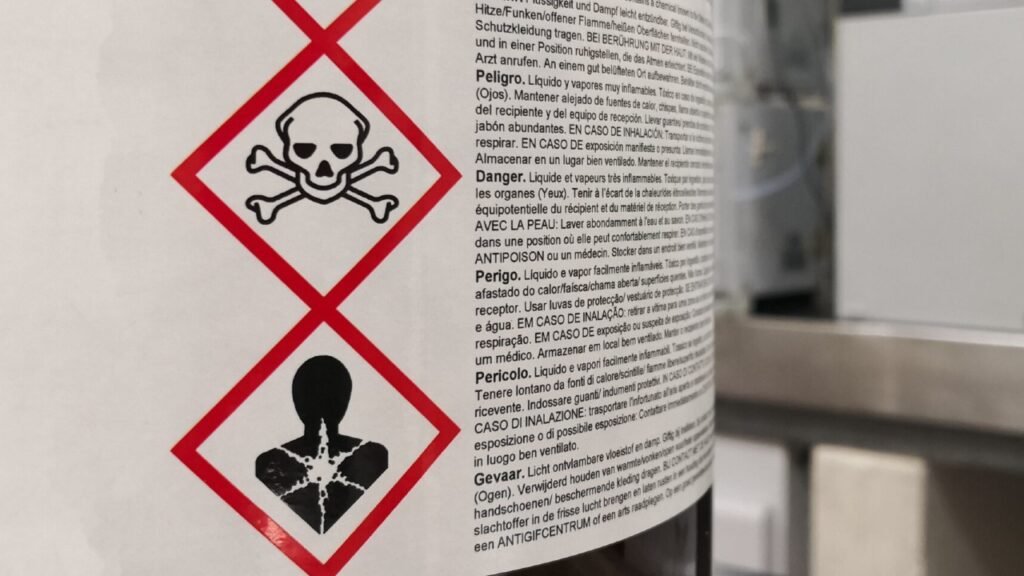
Imagine a small business importing cleaning products. If it fails to label a toxic chemical like bleach correctly, omitting the required corrosive pictogram or the signal word “Danger”, users could face serious health risks. In this context, CLP isn’t just about regulatory compliance; it’s about protecting people and the environment throughout the supply chain.
A unified classification system improves transparency, facilitates EU-wide trade, and enhances safety across industries. But CLP compliance isn’t a one-time task, regulations evolve, and businesses must keep up.
The Three Pillars of CLP: Classification, Labelling, and Packaging
1
1
Classification
Classification
The foundation of CLP compliance is accurate classification of substances and mixtures. Businesses must assess the hazards associated with their products in three key areas:
-
-
-
-
- Physical Hazards: Properties like flammability, explosiveness, or instability
- Health Hazards: Effects such as toxicity, irritation, or long-term harm
- Environmental Hazards: Potential to damage ecosystems, especially aquatic life
-
-
-
Let’s say a company manufactures aerosol sprays with flammable contents. It must analyze the formulation and classify the product correctly to ensure users understand the risk of explosion if exposed to high temperatures. A misclassification could result in accidents, and legal consequences.
To classify correctly, businesses rely on lab data, harmonized classifications from the European Chemicals Agency (ECHA), and established hazard criteria. Missteps in this process can lead to regulatory penalties or product recalls, so precision is critical.
The foundation of CLP compliance is accurate classification of substances and mixtures. Businesses must assess the hazards associated with their products in three key areas:
-
- Physical Hazards: Properties like flammability, explosiveness, or instability
- Health Hazards: Effects such as toxicity, irritation, or long-term harm
- Environmental Hazards: Potential to damage ecosystems, especially aquatic life
Let’s say a company manufactures aerosol sprays with flammable contents. It must analyze the formulation and classify the product correctly to ensure users understand the risk of explosion if exposed to high temperatures. A misclassification could result in accidents, and legal consequences.
To classify correctly, businesses rely on lab data, harmonized classifications from the European Chemicals Agency (ECHA), and established hazard criteria. Missteps in this process can lead to regulatory penalties or product recalls, so precision is critical.
2
2
Labelling
Labelling
Once classification is complete, labelling becomes your frontline tool for hazard communication. Under CLP, chemical labels must include the following key elements:
-
-
-
-
- Hazard pictograms: Visual symbols that convey specific risks (e.g., flame for flammability, skull and crossbones for toxicity)
- Signal words: Terms like “Danger” or “Warning” that indicate severity
- Hazard statements: Clear descriptions of the risk (e.g., “Harmful if swallowed”)
- Precautionary statements: Guidance on safe use (e.g., “Wear protective gloves”)
- Supplier information: Company name, address, and contact details
- Unique Formula Identifier (UFI): A 16-character alphanumeric code linking the product to its Poison Centre Notification (PCN), required for certain mixtures
-
-
-
Consider a manufacturer producing a solvent containing toxic chemicals. The label should display the skull and crossbones pictogram and use a signal word like “Danger.” If it’s inhaled, it could be fatal, so the hazard statement must reflect that, and the precautionary advice should include wearing respiratory protection. If these label elements are missing or incorrect, users may be unaware of the dangers they’re facing.
CLP requires labels to be clear, durable, and printed in the official language(s) of the country where the product is sold.
Once classification is complete, labelling becomes your frontline tool for hazard communication. Under CLP, chemical labels must include the following key elements:
-
- Hazard pictograms: Visual symbols that convey specific risks (e.g., flame for flammability, skull and crossbones for toxicity)
- Signal words: Terms like “Danger” or “Warning” that indicate severity
- Hazard statements: Clear descriptions of the risk (e.g., “Harmful if swallowed”)
- Precautionary statements: Guidance on safe use (e.g., “Wear protective gloves”)
- Supplier information: Company name, address, and contact details
- Unique Formula Identifier (UFI): A 16-character alphanumeric code linking the product to its Poison Centre Notification (PCN), required for certain mixtures
Consider a manufacturer producing a solvent containing toxic chemicals. The label should display the skull and crossbones pictogram and use a signal word like “Danger.” If it’s inhaled, it could be fatal, so the hazard statement must reflect that, and the precautionary advice should include wearing respiratory protection. If these label elements are missing or incorrect, users may be unaware of the dangers they’re facing.
CLP requires labels to be clear, durable, and printed in the official language(s) of the country where the product is sold.
3
3
Packaging
Packaging
Packaging is the third pillar of CLP compliance. It must not only contain the product but also protect users from potential exposure. Packaging must be secure, robust, and compatible with the chemical contents.
Some hazardous chemicals require additional safety features, like child-resistant caps or tactile warning symbols for visually impaired users. The packaging must also prevent leaks or spills during transportation and storage.
Imagine a company producing corrosive cleaning products. If these are shipped in containers that are not leak-proof or don’t feature child-resistant closures, there’s a significant risk of injury. Proper packaging isn’t just about functionality, it’s an essential part of chemical safety and consumer protection.
Packaging is the third pillar of CLP compliance. It must not only contain the product but also protect users from potential exposure. Packaging must be secure, robust, and compatible with the chemical contents.
Some hazardous chemicals require additional safety features, like child-resistant caps or tactile warning symbols for visually impaired users. The packaging must also prevent leaks or spills during transportation and storage.
Imagine a company producing corrosive cleaning products. If these are shipped in containers that are not leak-proof or don’t feature child-resistant closures, there’s a significant risk of injury. Proper packaging isn’t just about functionality, it’s an essential part of chemical safety and consumer protection.
How to Classify Your Products
1
1
Know Your Product’s Composition
Know Your Product’s Composition
Before you can classify a chemical product, you need a complete understanding of its contents. Identify all substances and their concentrations. Some ingredients have harmonized classifications under CLP, these take precedence. For mixtures, the classification is based on the most hazardous components or their combined effects.
For instance, a mixture that includes a toxic compound and another that’s harmful if swallowed may require a “toxic” classification, even if neither substance alone would warrant it. This process demands a thorough and detailed hazard assessment.
Before you can classify a chemical product, you need a complete understanding of its contents. Identify all substances and their concentrations. Some ingredients have harmonized classifications under CLP, these take precedence. For mixtures, the classification is based on the most hazardous components or their combined effects.
For instance, a mixture that includes a toxic compound and another that’s harmful if swallowed may require a “toxic” classification, even if neither substance alone would warrant it. This process demands a thorough and detailed hazard assessment.
2
2
Apply CLP Classification Criteria
Apply CLP Classification Criteria
Once you’ve identified the ingredients, apply the CLP classification criteria. This involves using standardized scientific data and safety thresholds to assess risks related to physical properties, health impacts, and environmental effects.
This stage can be complex, especially for novel substances or formulations. Staying current with ECHA guidelines and scientific updates is key to accurate classification.
Once you’ve identified the ingredients, apply the CLP classification criteria. This involves using standardized scientific data and safety thresholds to assess risks related to physical properties, health impacts, and environmental effects.
This stage can be complex, especially for novel substances or formulations. Staying current with ECHA guidelines and scientific updates is key to accurate classification.
3
3
Label the Product
Label the Product
After classification, create a CLP-compliant label. Include hazard pictograms, signal words, and required statements formatted according to EU regulations. Add your company’s contact details and, if applicable, a Unique Formula Identifier (UFI). Make sure the label is legible, durable, and securely affixed to the product.
Labels do more than fulfill regulatory requirements, they’re critical tools for keeping users informed and safe.
After classification, create a CLP-compliant label. Include hazard pictograms, signal words, and required statements formatted according to EU regulations. Add your company’s contact details and, if applicable, a Unique Formula Identifier (UFI). Make sure the label is legible, durable, and securely affixed to the product.
Labels do more than fulfill regulatory requirements, they’re critical tools for keeping users informed and safe.
4
4
Package the Product Safely
Package the Product Safely
The final step is choosing packaging that supports product safety. It must prevent leaks or spills, resist chemical reactions with the product, and withstand transportation. For hazardous chemicals, include child-resistant closures and tactile elements where required.
Packaging isn’t just a container, it’s a safeguard. Get it wrong, and you risk harm, liability, and loss of trust.
The final step is choosing packaging that supports product safety. It must prevent leaks or spills, resist chemical reactions with the product, and withstand transportation. For hazardous chemicals, include child-resistant closures and tactile elements where required.
Packaging isn’t just a container, it’s a safeguard. Get it wrong, and you risk harm, liability, and loss of trust.
Special Considerations for Hazardous Mixtures
Classifying mixtures can be more complicated than classifying individual substances. The risk profile depends on the interaction between ingredients and their respective concentrations.
Take a cleaning product that mixes bleach and ammonia -> alone, each poses risks. Combined, they can release toxic gases. Such dangers must be considered during classification, and labels must clearly warn users.
In many cases, hazardous mixtures must be submitted to the Poison Centre Notification (PCN) system, especially if they pose health risks. Registration is mandatory in the European Economic Area (EEA), and non-compliance can result in steep penalties.
CLP Compliance is Ongoing: Stay Updated
Achieving compliance is only the beginning. Regulations evolve, and scientific insights change over time. Your business must remain proactive.
For example, if new research reveals that a previously safe substance is now linked to health risks, you’ll need to revise product classifications and update labels accordingly. Similarly, if you reformulate a product with a new ingredient, that addition must be assessed under CLP criteria.
Set up a monitoring system to track regulatory updates, scientific findings, and product changes. Staying current helps you avoid fines and maintain customer trust.
Why Compliance Professionals Matter
If you manage multiple products, CLP compliance can be complex. That’s where regulatory professionals come in. These experts guide you through classification, labeling, packaging, and registration, ensuring that every detail aligns with the latest EU rules.
A good compliance partner not only reduces your regulatory burden but also helps you avoid costly mistakes, build a safer brand, and maintain smooth access to the EU market.
Conclusion
CLP compliance isn’t just about meeting EU legal requirements, it’s about protecting people, the planet, and your brand. By properly classifying your products, applying the right labels, and using safe packaging, you minimize risk and demonstrate a commitment to safety and responsibility.
👉 Interested in working together?
Let’s talk about how we can turn your compliance strategy into a true competitive advantage. We offer comprehensive support, from label checks and MSDS reviews to classification and registration assistance. Whether you’re just starting or refining your compliance program, we’re here to help your business stay safe, responsible, and ready for the EU market.
info@compliancesafeguard.com
Read more!
CLP vs. GHS: Key Differences and What They Mean for Your Business
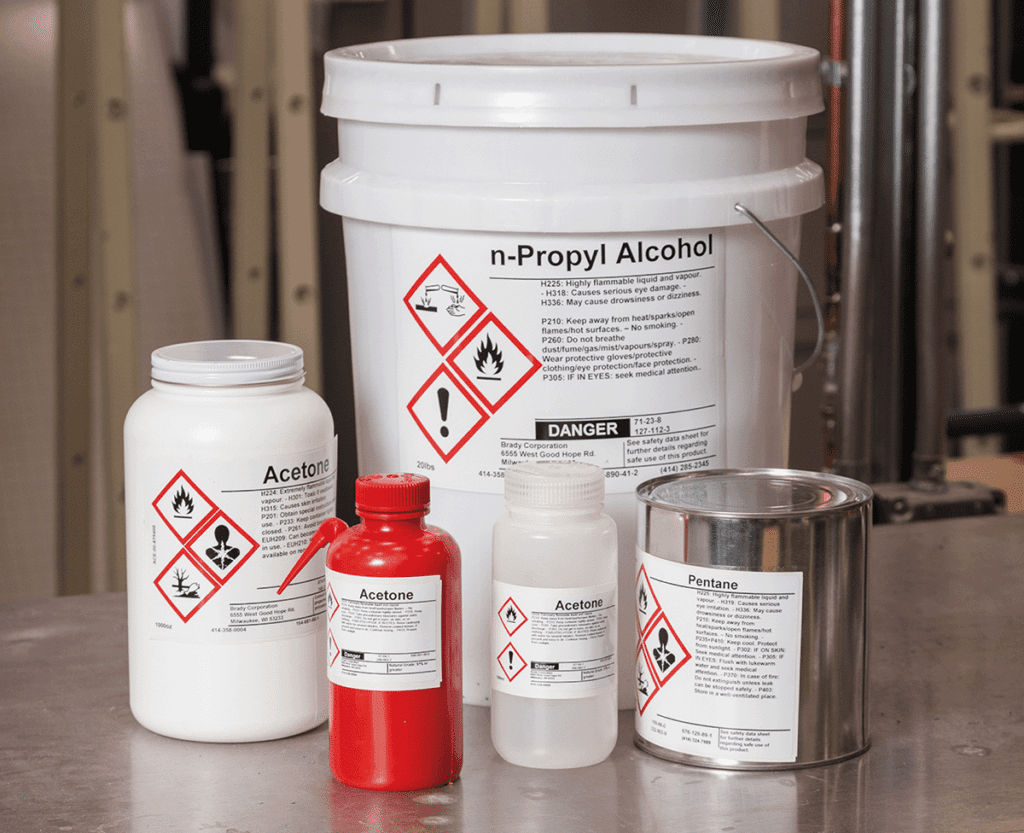
CLP vs GHS explained: Understand the key differences between the EU CLP Regulation and the Globally Harmonized System. Learn what they mean for your chemical product compliance in 2026.
PCN 101: How to Navigate the Poison Centre Notification Process in Europe
PCN 101: A step-by-step guide to Poison Centre Notification compliance in Europe. Learn who must submit, which products require PCN, UFI rules, deadlines, and how to stay compliant under CLP.